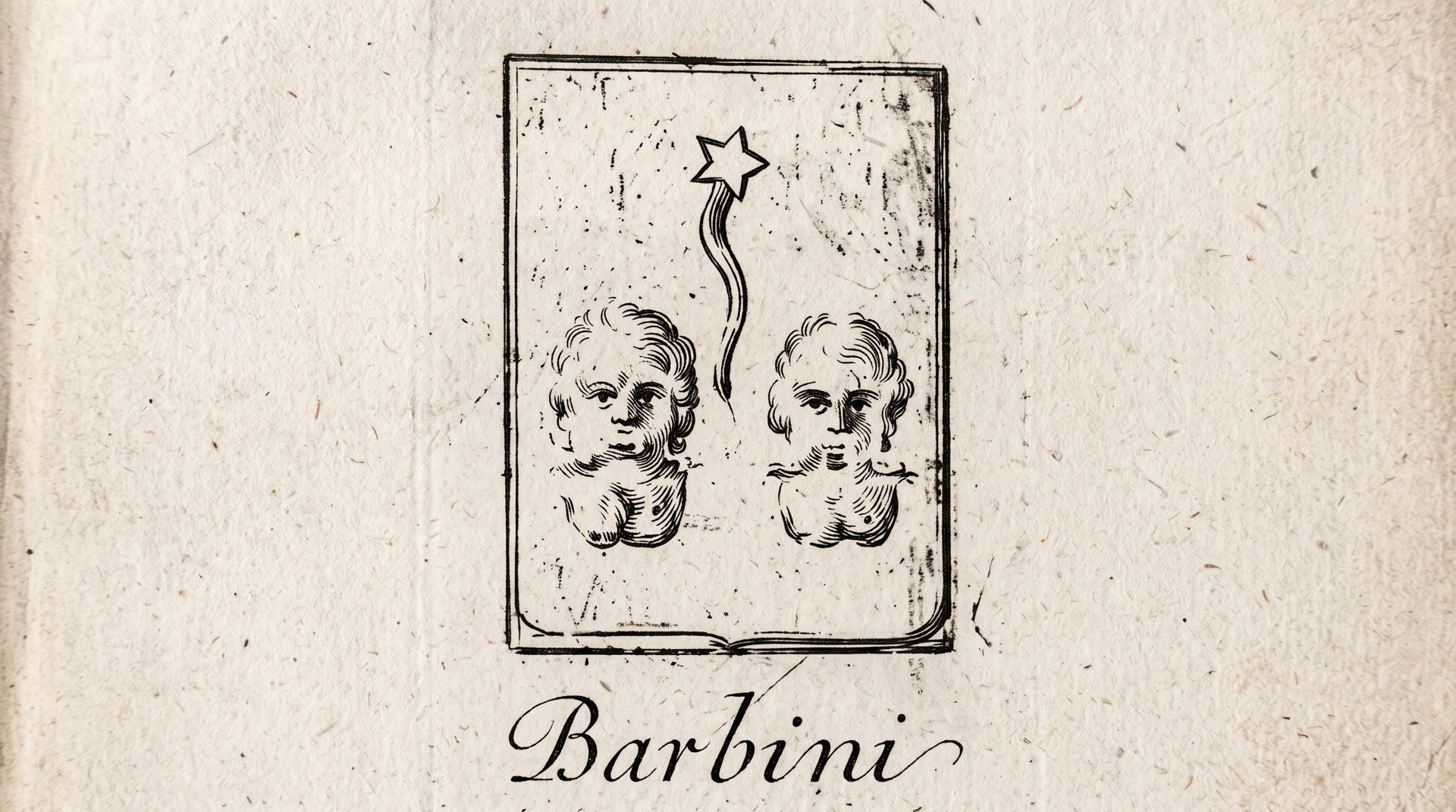
The Barbini Family Murano Dynasty: Alfredo Barbini, Massello, Sommerso & Cenedese Guide
The Barbini Family Murano Dynasty — Masters of Massello Sculpture, Sommerso Monoliths, and Venetian Mirror Engraving
Dynasty Key: The Barbini Dynasty
- Active Dynasty Window: 17th Century – Present (documented across four centuries of master glassmakers, sculptors, engravers, and furnace founders on Murano)
- Ancestral Seat & Primary Kilns / Studios: Fondamenta Venier 44–48 (Vetraria Alfredo Barbini, 1950–Present) | Calle Bertolini 36 / Calle Dietro gli Orti 8 (F.lli Barbini S.n.c.) | Palazzo Barbini / Palazzo Da Mula (1866 Salviati site) | Fondamenta da Mula (V.A.M.S.A., 1936–1944) | Fondamenta Vetrai 106 (Gino Cenedese & C., 1947–1950) | Campo San Bernardo (S.A.L.I.R., 1923–1936)
- Hereditary Master Glassmakers, Engravers & Designers: Guglielmo Barbini (b. 1898, S.A.L.I.R. co-founder and F.lli Barbini founder) | Alfredo Barbini (1912–2007, master of a massello, sommerso, scavo, and furnace founder) | Flavio Barbini (b. 1948, designer, Primavera & A/01-03 series) | Oceania Barbini-Moretti (b. 1939, sales manager & co-director) | Arturo Barbini (19th-c. gaffer & clerk) | Giovanni Battista Barbini (c. 1826–1841 author of Libro Composizioni) | Giorgio Barbini (1854 museum chandelier master) | Vincenzo Barbini | Giuliano Barbini | Nicola Barbini | Cesare Barbini
- Signature Technical & Material Inventions: Free-Hand Solid Sculpting (A Massello) | Scavo & Corroso Weathered Surface Treatments | Heavy Sommerso Monoliths (Pesanti) | Aquarium Submerged Blocks | Incalmo Murrine Plates | Il Guanto di Carta Bagnata (Wet Paper Glove Sculpting Method) | Copper-Wheel Engraved Venetian Mirrors (F.lli Barbini) | Kremlin Palace Mirror Wall Panels (1930s–1950s)
- Market Price Tier: High-End Investment Grade (Alfredo Barbini 1940s–1960s V.A.M.S.A. / Cenedese / Vetreria Barbini free-sculpted nudes, Collasso, Danza Nera, large sommerso monoliths, and scavo figures) to Mid-Range (Weil Ceramics import series with "W-" codes, 1970s Flavio Barbini Primavera wares, and F.lli Barbini engraved mirrors) to Accessible (later production bowls and small fauna)
- Key Collaborators: Napoleone Martinuzzi | Luigi Scarpa Croce | Gino Cenedese | Antonio Salviati & C. | Robert Willson | Raoul Goldoni | Vinicio Vianello | Luciano Gaspari | Pauly & C. | Weil Ceramics & Glass Inc. (USA Importer)
Summary:
Discover the magnificent history and sculptural genius of The Barbini Dynasty, Murano's premier family of a massello sculptors, sommerso pioneers, and mirror engravers. This comprehensive collector's guide details their 17th-century roots, Guglielmo Barbini's S.A.L.I.R. and Kremlin Palace mirrors, Alfredo Barbini's legendary masterworks at V.A.M.S.A., Cenedese, and Vetreria Alfredo Barbini, and his exclusive Weil Ceramics import alliance. Learn how to evaluate diagnostic signatures, paper factory decals, and authentic VAM/VM codes (VAM-012, VM #024, VAM-078) to collect Barbini glass with absolute curatorial confidence.
Genealogical Lineage Map
┌─────────────────────────────────────────────────────────────┐
│                     THE BARBINI DYNASTY                     │
│             - ANCESTRY & GENEALOGICAL DESCENT -             │
└──────────────────────────────┬──────────────────────────────┘
                               │
                        Vincenzo Barbini
                 (17th C. Mirror & Bead Lineage)
                               │
 ══════════════════════════════╪══════════════════════════════
                               │
 ┌─────────────────────────────┴─────────────────────────────┐
 │  1. MIRROR & COLD-WORKING BRANCH (Guglielmo Lineage)      │
 └─────────────────────────────┬─────────────────────────────┘
                               │
                       Guglielmo Barbini
               (b. 1898; S.A.L.I.R. Co-Founder)
                               │
            ┌──────────────────┴──────────────────┐
            │                                     │
     Vincenzo Barbini                      Giuliano Barbini
 (F.lli Barbini Atelier)               (1854 Museum Chandelier)
            │
      Nicola Barbini

                               │
 ┌─────────────────────────────┴─────────────────────────────┐
 │  2. SCULPTURAL & HOT-WORK BRANCH (Arturo Lineage)         │
 └─────────────────────────────┬─────────────────────────────┘
                               │
                        Arturo Barbini
               (19th C. Gaffer; m. Maria Fuga)
                               │
                        Alfredo Barbini
                   (1912–2007; Master Blower)
            [V.A.M.S.A. / Cenedese / Vetreria Barbini]
                               │
            ┌──────────────────┴──────────────────┐
            │                                     │
      Flavio Barbini                       Oceania Barbini
        (b. 1948)                           (Co-Director)
    (Primavera / A-01)
1. The 17th-Century Mirror Roots & Early Ancestral Masters (1650–Present)
The Barbini family represents one of Murano's most specialized, technically versatile, and historically continuous glassmaking bloodlines, documented in Venetian guild archives since the mid-17th century (c. 1650). Originally renowned for cold-working, bead manufacturing (conterie), and mirror engraving, the family divided into two primary technical branches by the early 20th century: the mirror engravers (F.lli Barbini) and the hot-sculpting furnace masters (Alfredo Barbini).
Early Ancestral Masters & The 1854 Chandelier Triumph
- Giovanni Battista Barbini (c. 1826–1841): A freelance master glassblower who authored the historic furnace recipe notebook Libro Composizioni, recording raw material proportions, coloring oxide formulas, and batch compositions during Murano's 19th-century recovery.
- Giorgio Barbini (1854): In 1854, master gaffer Giorgio Barbini teamed with Isidoro Barbon at the Vetreria Fratelli Toso / Isidoro Barbon & C. workshop to construct the largest glass chandelier executed on Murano up to that time—a monumental 60-branch, 330-kilogram crystal masterpiece. Awarded a Gold Medal at the 1864 Murano Glass Exposition, it remains an anchor exhibit in the Murano Glass Museum (Museo del Vetro).
- Palazzo Barbini (Palazzo Da Mula, 1866): In February 1866, when Dr. Antonio Salviati established his first independent blown-glass workshop, he leased premises adjacent to the 15th-century Gothic Palazzo Da Mula, then known officially as Palazzo Barbini, linking the family seat to the birth of the 19th-century Murano glass revival.
2. Guglielmo Barbini, S.A.L.I.R. & F.lli Barbini (b. 1898)
Guglielmo Barbini & The Founding of S.A.L.I.R. (1923)
Born on Murano in 1898, Guglielmo Barbini emerged as one of the 20th century's paramount master engravers (incisori). Guglielmo was employed until 1923 at Società Cristalleria e Vetreria (formerly Cristalleria Franchetti). In 1923, Guglielmo partnered with Decio Toso, Mario D'Alpaos, Guglielmo Tosi, and Gino Francesconi to establish S.A.L.I.R. (Studio Artistico Decorativo Incisione Vetri su Vetro) at Campo San Bernardo. Under Guglielmo's technical direction, S.A.L.I.R. executed wheel-engraved and acid-etched masterpieces designed by Guido Balsamo Stella, Vittorio Zecchin, and Franz Pelzel.
F.lli Barbini S.n.c. & The Kremlin Palace Commissions (1936–Present)
In 1936, Guglielmo withdrew from S.A.L.I.R. to establish his independent mirror atelier, F.lli Barbini S.n.c. (located at Calle Bertolini 36 and Calle Dietro gli Orti 8). Utilizing blanks sourced from Vetri Decorativi Rag. Aureliano Toso and Ferro Toso & C., F.lli Barbini specialized in 18th- and 19th-century neoclassical Venetian mirrors, hand-engraved mythological panels, and bevelled crystal mirrors.
Their most historic international commission was crafting the monumental hand-engraved mirrors, crystal wall paneling, and presidential elevator interiors for the Kremlin Palace in Moscow. The workshop continued under Guglielmo's descendants, including Vincenzo Barbini, Giuliano Barbini, Nicola Barbini, and Cesare Barbini (F.lli Barbini S.n.c. di Cesare Barbini & C.).
3. Alfredo Barbini: Prodigy, Martinuzzi, V.A.M.S.A. & Cenedese (1912–1950)
Born on Murano on March 13, 1912, Alfredo Barbini stands as one of the defining sculptural geniuses of 20th-century glassmaking. Alfredo inherited glassmaking blood from both sides of his family: his father, Arturo Barbini, was a glassworks clerk and gaffer descended from bead makers, while his mother belonged to the Fuga dynasty of glassblowers and decorators.
The Prodigy's Training & The Martinuzzi Partnership (1925–1936)
- S.A.I.A.R. Ferro Toso (1925–1929): Barbini entered the furnace at age 13 as an apprentice (garzonetto), showing instant aptitude for modeling solid glass animal figures. Recognizing his talent, owner Luigi Toso promoted the 15-year-old Barbini to maestrino in 1927.
- Cristalleria di Venezia e Murano (1929–1932): Promoted to full master blower (maestro) at just seventeen and a half, specializing in classical Venetian tableware. Simultaneously, he attended evening classes at the Scuola Serale per Vetrai Abate Zanetti.
- Zecchin-Martinuzzi (1932–1936): After a brief tenure at the S. Marco workshop in Milan, the 20-year-old Barbini was appointed chief master gaffer (Maestro di prima piazza) by sculptor Napoleone Martinuzzi at Zecchin-Martinuzzi Vetri Artistici e Mosaici. Martinuzzi became Barbini's lifelong artistic mentor, instilling in him a deep mastery of heavy, opaque pulegoso glass, succulent cactus sculptures, and solid glass modeling (a massello).
V.A.M.S.A. & Free-Hand Massello Sculpting (1936–1944)
After working briefly in 1936 at Seguso Vetri d'Arte alongside Flavio Poli and Archimede Seguso, Barbini co-founded V.A.M.S.A. (Vetri Artistici Muranesi Società Anonima, formerly S.A.V.A.M.) alongside technician Luigi Olimpio Ferro and the Hreglich family.
Serving as chief master gaffer and partner, Barbini pioneered free-hand solid glass sculpting (a massello). Working with painter Luigi Scarpa Croce and Ermenegildo Ripa, Barbini abandoned traditional blowpipes and molds, shaping molten glass masses directly at the glory hole using pincers, wooden shears, and thick wet paper gloves (il guanto di carta bagnata). His 1937–1940 V.A.M.S.A. animal sculptures (Torso di Cavallo, Gazzella, sommerso bowls) won acclaim at the 1938 and 1940 Venice Biennales.
Post-War Studies & Gino Cenedese & C. (1945–1950)
Following World War II, Barbini operated a brief joint workshop with Archimede Seguso (1945–1946). In 1946, he was awarded a research grant by Handicraft Development Inc. (New York, founded by Max Ascoli) to conduct advanced studies in solid sculpting under Napoleone Martinuzzi.
After a brief partnership at Vetreria Vistosi (1947), Barbini joined Gino Cenedese & C. in 1947 as an equal partner, chief master blower, and Artistic Director (alongside Gino Cenedese, Pietro Scarpa, Gino Fort, Angelo Tosi, and Edgardo Valmarana).
- The 1948 Venice Biennale Triumphs: At the XXIV Venice Biennale (1948), Barbini presented revolutionary hot-sculpted nudes and marine forms featuring corroded (corroso) and weathered (scavo) surfaces. Highlights included Collasso (a slumped figure in black glass), Danza Nera (a primitive female nude), Putto, and Bisonte, establishing Barbini as Murano's paramount fine-art sculptor.
4. Vetreria Alfredo Barbini & Modernist Masterpieces (1950–Present)
On March 20, 1950, backed by financial support from Salviati & C. (who held exclusive international distribution rights from 1950 to 1955), Alfredo Barbini established his independent furnace, Vetreria Alfredo Barbini, at Fondamenta Venier 44–48.
Signature Technical Inventions & Series
- Pesanti & Heavy Sommerso Monoliths (1950s–1960s): Thick-walled, multi-layered sommerso vessels casing deep ruby, aquamarine, or charcoal glass within thick crystal shells, finished with hand-polished flat facets. Featured prominently at the 1960 and 1962 Venice Biennales (Vasi pesanti).
- Aquarium Submerged Blocks (1950s): Monolithic clear crystal blocks encasing hot-sculpted tropical fish, jellyfish, and sea vegetation, created in collaboration with Salviati & C. and designer Luciano Gaspari.
- Vetri Scavi & Corrosi (1950s–1970s): Sculptures and vessels treated hot with chemical salts and ashes to mimic ancient excavated Roman glass.
- Incalmo & Murrine Giganti (1960s): Complex vessels joining contrasting colored sections at the glory hole (incalmo), incorporating large concentric cased murrine.
- Weil Ceramics & Glass Export Alliance (1955–1980s): Barbini formed an exclusive US distribution alliance with Weil Ceramics & Glass Inc. (New York). Barbini produced custom tabletop collections, heavy sommerso bowls, and stylized fauna marked with Weil's scalloped red/gold foil labels bearing "W-" prefix model numbers.
- Fine-Art Collaborations: Executed avant-garde sculptures for American artist Robert Willson (1956–c. 1988), Napoleone Martinuzzi for Pauly & C. (1960–1975), Yugoslav sculptor Raoul Goldoni (1962–1971), Italian painter Vinicio Vianello, and German producer Gral-Glashütte (1969–1971).
5. Flavio & Oceania Barbini: The 1970s–1980s Evolution
In the 1950s and late 1960s, Alfredo's children joined the firm's executive and creative leadership:
- Oceania Barbini-Moretti (b. 1939): Daughter of Alfredo Barbini. Joined Vetreria Alfredo Barbini in 1952 as sales manager and co-director, managing commercial operations, international gallery exhibitions, and archival preservation.
- Flavio Barbini (b. 1948): Son of Alfredo Barbini. Trained in graphic arts and painting at Venice's Liceo Artistico dei Carmini. Joined the firm in 1968 as chief designer. Flavio designed the Lunati double/triple-necked bottles (1968), the Primavera (1972) mosaic glass series, the A/01-03 rounded-off square crystalline cube vases for the 1972 Venice Biennale, the Alga plate, and minimal architectural lighting.
- Minimalist Crystal Collaborations: Co-designed sleek, modern, pure crystal series with his father in the 1970s and 1980s (e.g., 1976 lattimo/smoke/black square-tesserae platter, 1979 amber-edged plate, 1980 colorless spiral murrine plate).
In 1974, Alfredo Barbini was awarded the title of Commendatore of the Italian Republic; in 1975, he received the Osella d'Oro; and in 1989, he was named Venetian of the Year. Reorganized in 1983 as Alfredo Barbini S.r.l., Alfredo continued sculpting at the furnace bench into his nineties until his passing on February 13, 2007.
6. Forensic Master Registry: Markings, Signatures & Factory Labels
Understanding the full, multi-decade spectrum of signatures, base etchings, factory decals, export tags, and corporate emblems across both branches of the Barbini family is essential for curatorial verification:
I. Hand Etchings & Studio Signatures (Alfredo Barbini)
- Pre-1975 Diamond-Point Cursive Script: Fine hand-etched cursive script applied directly with a diamond point onto the base or lower side of verified artistic works:
A. Barbini— Standard 1950s–1960s and 1980s studio signature.Barbini Murano— Standard 1960s–1980s signature, often etched in sweeping cursive script along the lower side or polished base ring.Alfredo Barbini— Full name signature used on 1960s one-off exhibition sculptures and museum-tier pieces.
- Post-1975 Vibro-Engraved Signatures: Mechanical vibro-pen cursive signatures on base or roughly ground pontil surfaces introduced in 1975.
- Artist Collaboration Inscriptions:
- Martinuzzi Re-editions: Diamond-point engraved
Martinuzzi / BarbiniorR. Martinuzzi / A. Barbini(1960s–1970s executions for Pauly & C.). - Robert Willson Collaborations: Dual hand-etched script reading
R. Willson / A. BarbiniorR. Willson / Barbini(1956–c. 1988). - Raoul Goldoni Collaborations: Dual hand-etched signature reading
R. Goldoni / Barbini(1962–1971).
- Martinuzzi Re-editions: Diamond-point engraved
II. Factory Labels & Export Decals (Vetreria Alfredo Barbini)
- 1950s Scalloped Gold Foil Label: Scalloped oval gold foil label with red or black text reading
VETRERIA A. BARBINI / MURANO ITALY. Crystal de VenetianCrown Label: Rectangular foil label featuring a red 3-pointed crown emblem on the left aboveCrystal de Venetian / MADE BY / ALFREDO BARBINI / MURANO, ITALIA.AQRooster / Gallo Export Label: Scalloped paper export decal bearing the Venetian Rooster logo with the lettersAQassigned specifically to Alfredo Barbini.AQCircular Blue Foil Label: Round blue foil sticker featuring a central stylized fountain/seahorse emblem flanked byAandQaboveMADE IN ITALY.- 1960s Circular Blue Foil Seal: Round blue/silver foil sticker reading
BARBINI ALFREDO / MURANOaround a central star/ring logo. - 1960s–1970s Round Clear Sticker: Circular clear decal with white or black lettering reading
BARBINI MURANO / MADE IN ITALY. - 1970s–1980s Clear Rectangular Logo Label: Transparent rectangular sticker with bold white or black lettering reading
BARBINI® / murano. - Modern Black/Silver Seal: Rectangular silver foil sticker reading
BARBINI / VETRERIA ARTISTICA / MURANO.
III. US Import & Distributor Labels (Weil Ceramics, Camer Glass & KB)
- Weil Ceramics & Glass Inc. (New York Alliance, 1955–1980s):
- Scalloped Gold/Red Foil Label: Scalloped gold oval sticker reading
Venetian - MADE BY ALFREDO BARBINI FOR WEIL CERAMICS & GLASS - Murano Italy. - Address Variant: Scalloped sticker reading
Venetian - MADE BY ALFREDO BARBINI FOR WEIL CERAMICS & GLASS - 225 Fifth Avenue - NEW YORK, NY 10010. - Serrated Paper Model Tag: Rectangular paper tag with serrated stamp-like edges reading
N. [W-107] / Made in Italywith handwritten "W-" prefix model numbers.
- Scalloped Gold/Red Foil Label: Scalloped gold oval sticker reading
- Camer Glass (New York / Venice):
- Round silver foil label reading
camer glass / NEW YORK VENICE / MADE IN ITALY. - Rectangular paper label reading
CAMER GLASS / NEW YORK / MADE IN ITALY. - Oval clear sticker reading
camer glass / MADE IN ITALY.
- Round silver foil label reading
- Koscherak Brothers (
KBImporter): Shield-shaped foil label readingAN ORIGINAL CREATION BY / KB / MADE IN ITALYapplied to Barbini animals and sommerso bowls. - Castle Import Label: Silver foil label depicting St. Mark's campanile reading
CASTLE / VENETIAN GLASS / MURANO.
IV. Cold-Working & Mirror Atelier Marks (F.lli Barbini S.n.c.)
- Interlocking
ЯBMonogram Logo: Official corporate emblem of F.lli Barbini featuring back-to-back stylized capital 'B's. - Engraved Mirror Signatures & Paper Labels: Hand-engraved cursive signatures on mirror borders reading
F.lli Barbini Muranoalongside paper/foil labels readingF.lli BARBINI / MURANO-VENEZIAorF.lli BARBINI S.n.c. di Cesare Barbini & C..
V. Consortium & Regional Trademark Systems (VM vs. VAM Forensic Codes)
In Murano glass collecting, a frequent database collision occurs regarding code 037: Code 037 is assigned to Formia S.r.l. / Fornace Mian, NOT Barbini. The authentic, historical, and regional trademark codes for the Barbini dynasty across the Consorzio Vetri Murano (VM) and Vetro Artistico® Murano (VAM) databases are rigorously documented as follows:
VM Code #024(1980s–2001): Official black-and-white square paper sticker code assigned to Vetreria Alfredo Barbini (and Pagnin & Bon) under the 1980s Consorzio Vetri Murano (VM) registry.VAM-012(2002–Present): Official regional trademark concessionaire code assigned to Alfredo Barbini S.r.l. under Veneto Regional Law No. 70/94 (Vetro Artistico® Murano).VM Code #027&VAM-078: Official codes assigned to the mirror-making and cold-working atelier Fratelli Barbini Glass Mirror S.r.l. (VM #027under the 1980s square sticker system;VAM-078under the modern regional seal system).VAM-097: Official modern regional seal assigned to AAV Barbini S.r.l.
7. Attribution & Authenticity
In Murano glass collecting, authenticating Barbini works requires technical discernment:
- Authentic Alfredo Barbini Sculptures: Characterized by monumental weight (massello), hand-ground mirror-polished base rings, seamless color casing in sommerso works, and crisp, authentic diamond-point signatures (
A. Barbini). - Counterfeit & False Attributions: Commercial Asian or Eastern European pressed-glass figures often carry fake
A. Barbinielectric-pen etchings. True Barbini fine-art sculptures exhibit flawless pontil finishing, rich internal iridescence or corroso textures, and heavy, solid glass mass.
Join Our Facebook Group Identify Your Murano - Murano Glass Animals